What Should Baby Ferrets Eat, Drink & Not Eat
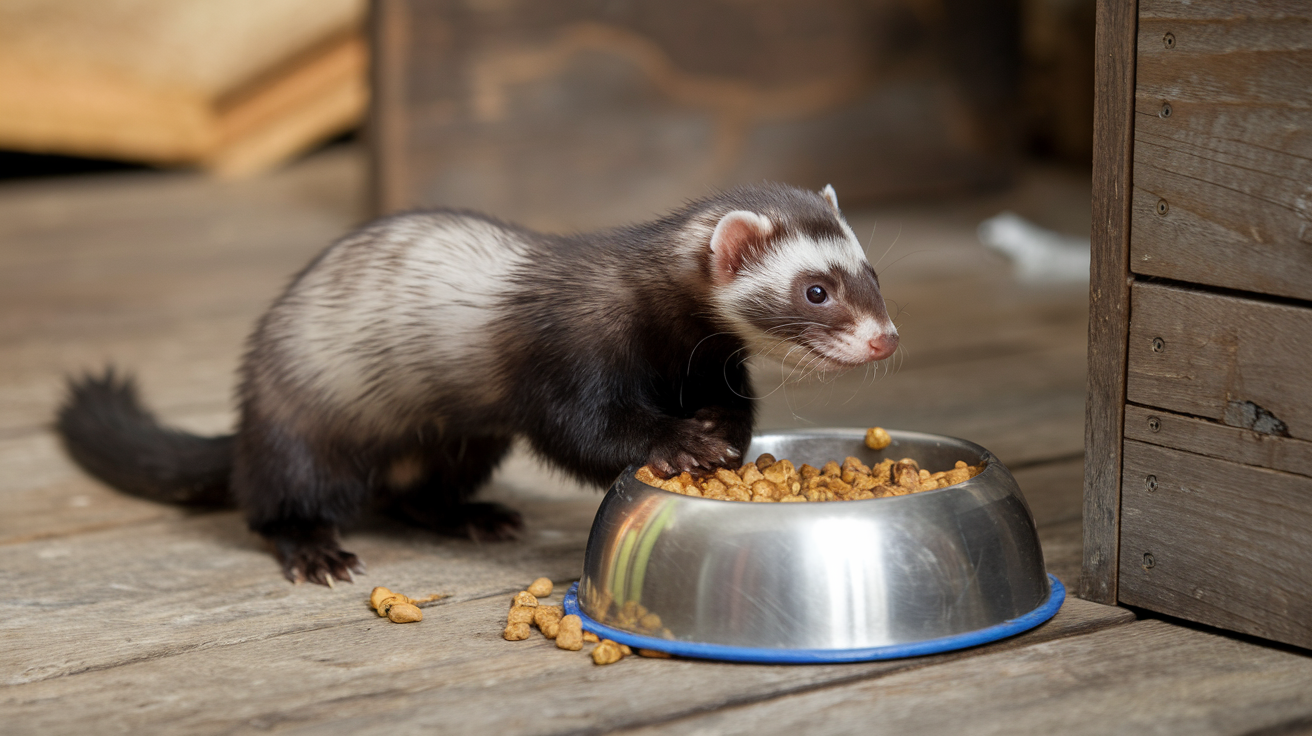
Bringing home your first ferret can raise many questions, especially about their diet. Ensuring your ferret gets the right nutrition is essential for their long-term health and happiness. With plenty of ferret food options available, it’s important to understand what best suits their dietary needs.
Ferret Dietary Basics
Ferrets are obligate carnivores, which means their primary source of nutrients comes from animal-based proteins. Feeding your ferret the wrong diet can lead to serious health issues, including conditions like insulinoma or inflammatory bowel disease. It’s important to avoid feeding ferrets foods that aren’t specifically designed for them.
While some may assume cat food is suitable for ferrets, this isn’t the case. Cat food does not contain the high level of protein that ferrets need. Instead, always opt for a food specifically formulated for ferrets, which ensures the correct nutrient balance.
High-quality ferret food should not contain seeds, nuts, or dried fruit. The food should appear uniform, without any artificial colors or unnecessary additives.
Ferrets can be quite picky and may become attached to a particular brand or type of food. To avoid issues when formulas change, it’s a good idea to blend several brands of ferret food together. This method helps to keep your ferret accustomed to different tastes and textures, making future transitions smoother.
Ferret food should always be available 24/7, and you should regularly check their dish to remove any spoiled or wet kibble.
Healthy Ferret Treats
Because ferrets are small animals, it’s crucial to keep treat portions small and healthy. Select treats that complement their diet rather than disrupt it.
One popular treat option is puréed meat baby food, which works well as a snack or to mix with medication if needed. Make sure the baby food doesn’t contain rice, vegetables, or chunks.
Bob Church’s Chicken Gravy (often called “duck soup”) is another nutritious option, especially for ferrets recovering from illness.
Additionally, small portions of cooked, lean meats like chicken, turkey, beef, or fish can be given as a treat. Always remove the bones and skin and ensure the meat is diced into manageable sizes for your ferret.
What Should Ferrets Avoid?
Knowing what ferrets should avoid is just as important as knowing what they should eat. In general, anything that isn’t meat-based is likely unsuitable for ferrets. Here’s a list of things to avoid:
- Cat food
- Dog food
- Raisins and other fruits
- Human food (except for small pieces of cooked meat)
- Vegetables
- Bones
- Fish heads or skin
Feeding Your Ferret: A Step-by-Step Guide
Feeding your ferret doesn’t have to be complicated. Start by placing around ¼ cup of high-quality kibble into a heavy bowl once per day. Because ferrets enjoy playing with their food and water, using heavy dishes and spacing them apart can reduce the mess.
Every 12 hours, check their food and water to see if either needs refreshing. Ferrets are finicky and may refuse to eat leftover crumbs, so it’s often best to provide fresh food each time. Water should also be offered in heavy bowls and refreshed frequently. Some ferrets will drink from water bottles, but most prefer bowls and will drink more when water is readily available in a dish.
Common Ferret Feeding Questions
What do ferrets eat in the wild?
Ferrets as we know them are domesticated, but they are thought to be descended from the European polecat. In the wild, these animals primarily hunt and eat small rodents, birds, and amphibians.
What should pet ferrets eat?
Pet ferrets thrive on a diet of high-protein kibble made specifically for them. Their diet can also include softer, high-protein snacks like puréed baby food or small portions of cooked meat.
Is it safe for ferrets to eat cat food?
Generally, no. Although some high-protein, low-carb cat foods might work for ferrets, most don’t provide the necessary nutrients. Additionally, the kibble size may be too large for ferrets, leading to potential dental problems.
Can ferrets eat dog food?
No. Dog food contains too many carbohydrates and lacks the proper nutrient balance for a ferret’s unique dietary needs. It can also be too large, posing a choking hazard or damaging their teeth.
Alternative Languages .dropdown-content { display: none; background-color: #f9f9f9; padding: 10px; box-shadow: 0px 4px 8px rgba(0, 0, 0, 0.2); margin-top: 10px; } .dropdown-content a { display: block; padding: 8px 16px; text-decoration: none; color: black; } .dropdown-content a:hover { background-color: #ddd; } .dropbtn { padding: 10px 20px; background-color: #4CAF50; color: white; border: none; cursor: pointer; font-size: 16px; } .dropbtn:hover { background-color: #45a049; }
Alternative Languages
Danish Deutsch Español French Italiano Polish Português Türkçe
function toggleDropdown() { var dropdown = document.getElementById(“dropdownContent”); if (dropdown.style.display === “block”) { dropdown.style.display = “none”; } else { dropdown.style.display = “block”; } }